Emergency Plumbing & Boiler Repair · Mitcham, London
Central Heating Repair in Mitcham, London
The boiler is fired up, the pipes are warm, and yet the radiator in the back bedroom stays stubbornly cold. Central heating faults are rarely dramatic, which is why they are so often put up with for a winter, but a system that is not circulating properly wastes fuel and strains the boiler. Emergency Plumber and Boiler Repair arranges central heating repair across Mitcham, from a single stuck radiator valve to a pump or zone valve that has given up.
A heating circuit has more moving parts than people expect: a pump that pushes water round, motorised zone valves that decide which parts of the house get heat, thermostatic radiator valves, the thermostat and programmer, an expansion vessel and a feed-and-expansion tank in older systems. A fault in any of them looks like a "heating problem", and the skill is in telling which. A partner engineer who works on heating every day can usually find it in under an hour.
Hard water and age are the usual culprits. Thames Water's 2024 report for the Mitcham supply area gives hardness of 262 mg/l as calcium carbonate, and a circuit that has been running for years collects scale and black magnetite sludge, which settles at the bottom of radiators and stops them heating there. Where that is the problem, the repair route often leads to a cleanse, which our power flushing page explains.
Mitcham's mix of housing leads to different faults. The 1960s council estates at Phipps Bridge and Pollards Hill were built with the heating systems of their day, and 1930s semis have had several generations of boiler and pipework bolted onto original circuits. The partner engineer will ask the age of the system and whether it is fully pumped, gravity-fed or a mixture before arriving.
The work is built to Building Regulations Part L where controls change, and gas appliance work follows the Gas Safety (Installation and Use) Regulations 1998. The same number covers Morden, Colliers Wood and Tooting. Call 07897 016796 and tell us which radiators or rooms are not heating.
What We Do
Heating Faults the Partner Engineer Sees Most Often
The symptom tells you a lot, and describing it accurately on the phone helps the right partner arrive with the right parts.
Radiators Cold at the Bottom or the Top
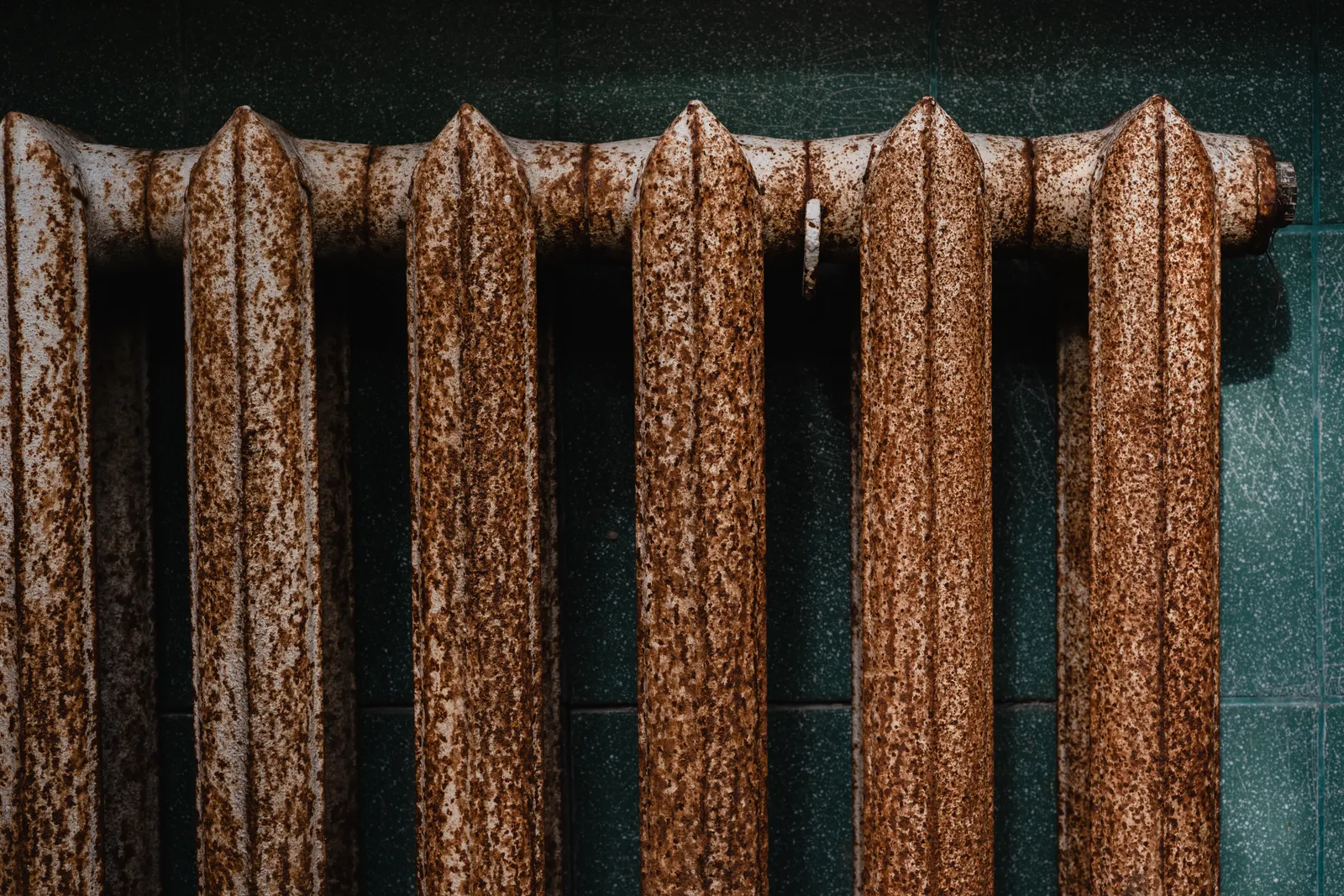
A radiator that is hot at the top and cold at the bottom is usually clogged with sludge; one that is hot at the bottom and cold at the top has air trapped inside and needs bleeding. A single cold radiator can also mean a stuck thermostatic valve pin. The engineer tests each in turn, and where several radiators are affected it points to the system rather than the radiator.
No Heating or Hot Water, but the Boiler Fires
When the boiler runs but the house stays cold, the pump may be seized or an airlock may be stopping circulation, or a motorised valve may be stuck closed. A pump swap or valve replacement is a routine job for a partner engineer, and where the boiler itself is faulty our boiler repair route takes over.
Noisy Pipes, Leaking Valves and Pressure Loss
Banging, gurgling or ticking pipes point to trapped air, scale or pipe clips. A radiator valve that weeps after a turn needs its gland repacked or the valve replaced, and a system that keeps losing pressure has a leak somewhere, which the engineer traces with a pressure test and, if hidden, with the methods on our leak detection page.
The Benefits
Repair a Part or Replace the System: How to Decide
Most heating faults are single parts, but some systems are telling you they are at the end of their life.
Single Failed Part
A seized pump, stuck zone valve, failed thermostat or tired radiator valve is cheap to replace relative to the whole system. If the rest of the circuit is sound, replacing the part restores heating at a fraction of the cost of a new system.
System-Wide Sludge and Corrosion
If every radiator is cold at the bottom, the water is black and the pump keeps failing, the circuit is full of sludge. A cleanse to BS 7593, a filter and inhibitor often restore performance without replacing radiators.
End-of-Life Pipework
Where pipework is leaking at several points or radiators are corroding through, a staged replacement may make sense. The partner will explain what is worth doing now and what can wait, and give each option as a written quote.
Why Us
How We Get a Heating Engineer to a Mitcham Address
A cold house in winter is an urgent job, and we treat it like one.
Matched on the Symptom
When you ring we ask which rooms are cold, whether the boiler fires and whether the pressure is dropping, then pass that to the partner so the right engineer and likely parts arrive together.
Named Before They Arrive
You are texted the partner company's name and details before arrival, so you know who to expect at your door, day or night.
A Written Quote and One Number
The partner quotes in writing before work and invoices you directly. If anything is not right afterwards, ring 07897 016796 and we chase it.
Three Quick Checks Before You Ring
Some heating faults have a thirty-second answer, and it is worth ruling those out before a partner is sent.
- Is the programmer actually calling for heat? A clock that has drifted after a power cut, or a thermostat set below the room temperature, can look exactly like a fault.
- Is the pressure gauge in the green? A sealed system that has dropped below about 1 bar needs topping up, and one that keeps dropping has a leak.
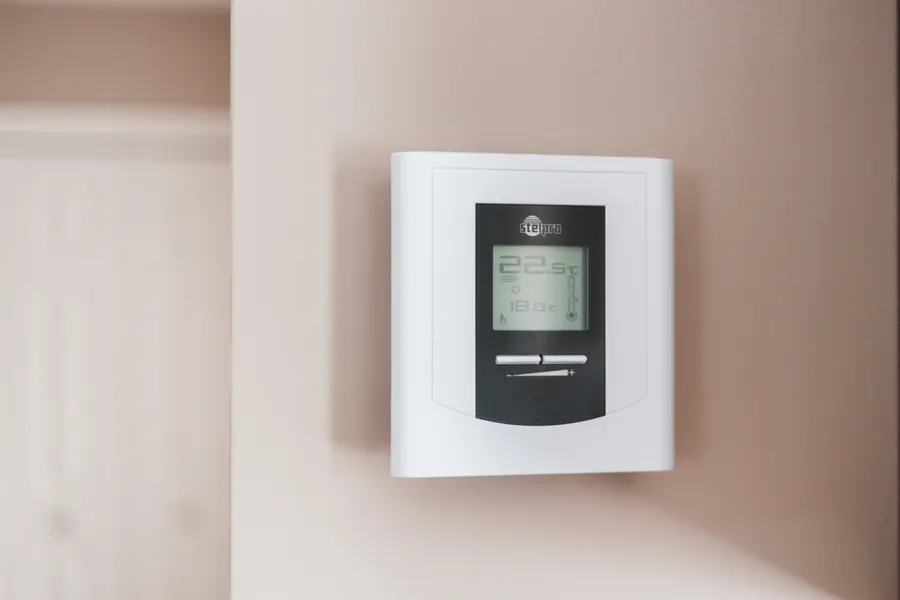
- Is the thermostat's battery flat? Wireless room thermostats fail quietly, and a new pair of batteries solves more no-heating calls than anyone expects.
What the Engineer Will Look At, in Order
The Pump and the Zone Valves
Heat that reaches some rooms and not others usually points to a motorised valve that has stuck, and a house that does not heat at all with the boiler running points to the pump. Both are replaceable parts.
Radiator Valves and Balancing
If only one or two radiators are slow, the engineer checks the valves at each end and balances the system so that the nearest radiators do not take all the heat. A lockshield valve that has been closed by mistake is a common cause.
The Water Itself
Black or brown water on bleeding, a rusty smell or a magnetic filter full of dark sludge all point to a system that needs a cleanse. Our power flushing page explains what that involves and what it costs.
If the cause is the boiler, see boiler breakdowns or an annual boiler service. The full range sits on our services page.
Frequently Asked Questions
Why is one radiator cold when the others are hot?
A single cold radiator usually has a stuck thermostatic valve pin, trapped air, or a blockage in its own pipe run. Bleeding the radiator with a key releases air, and if it stays cold, the valve and lockshield may need freeing or replacing. A radiator that is cold only at the bottom is clogged with sludge. The partner engineer checks each in turn and will tell you plainly whether it is a quick fix or a sign of something wider.
Why are my radiators hot at the top and cold at the bottom?
That pattern is the classic sign of sludge, black magnetite and scale that has settled in the bottom of the radiator and blocked circulation. On a hard supply such as Mitcham's, scale adds to the problem. Bleeding will not cure it, and a power flush or system cleanse usually does, with a magnetic filter fitted afterwards. Our power flushing page sets out what is involved and typical costs.
The boiler is on, but the heating will not come on. Why?
If the boiler fires but the radiators stay cold, the usual suspects are a seized pump, a stuck motorised zone valve, an airlock or a failed thermostat or programmer. The engineer checks each in turn, starting with whether the pump is turning and the zone valve is opening. The partner will tell you the part, the labour and the cost in the written quote before replacing anything.
Why does my heating keep losing pressure?
A sealed system loses pressure when water is escaping or the expansion vessel has failed. Leaks can be a weeping radiator valve, a joint, a pressure relief valve or a hidden pipe under a floor. Topping up repeatedly hides the fault and adds fresh oxygen, which corrodes the system. Ask the engineer to test the expansion vessel and trace the leak, and see our leak detection page for hidden pipes.
What does central heating repair cost?
It depends on the part and the labour. London hourly labour is often quoted at £65 to £100, and a simple valve or bleed is a short visit, while a pump or motorised valve replacement is a longer one with the part added. We do not guess a figure without seeing the fault. The partner company gives a written quote naming the part and labour before they start, and that is the only figure that counts.
Do thermostatic radiator valves need replacing?
They wear out, and a stuck pin is a common cause of a single radiator staying cold or staying hot. A partner engineer can often free the pin with a few taps, but when the valve is tired or leaks around the spindle, replacing it is a quick job and does not always require draining the whole system. Where valves are replaced, modern thermostatic valves also help the boiler run less.
Can you fix heating in a flat or a 1960s estate property?
Yes, with a few more questions up front. Flats and estate homes may have communal elements, landlord or managing-agent responsibilities, or older heating arrangements, and the partner needs to know who owns what. The 1960s estates at Phipps Bridge and Pollards Hill in Mitcham are examples of stock with its own history, and we ask the age and type of system so the right partner attends.
Is it better to repair old central heating or replace it?
Repair is usually better where the system is basically sound and one part has failed. Replacement makes sense where pipework leaks in several places, radiators are corroding through or the circuit is full of sludge that a cleanse cannot shift. The partner can give each option as a written quote, and often recommends repairing now and cleansing the system rather than replacing it.
Do you need access to every room?
Usually yes for a full heating diagnosis, because the engineer needs to check each radiator, valve and thermostat. A repair to one part may need access to only the affected rooms and the boiler or pump location. Tell us on the call if some rooms are rented, locked or occupied by someone who needs notice, and the partner will arrange access in advance.
Who does the work, and who do I pay?
An independently owned partner heating company does the repair, quotes in writing before work and invoices you directly. We take no payment and send no invoices. We text you the partner's name before they arrive, and if something is not right afterwards you ring 07897 016796 and we chase it. See how a job runs for the full explanation.
Cold Rooms, Warm Pipes? Ring 07897 016796
We arrange the nearest partner heating engineer for Mitcham, Colliers Wood, Tooting and Morden.
07897 016796